Essential Baking Skills: Perfecting Cakes, Cookies, and Breads Every Time
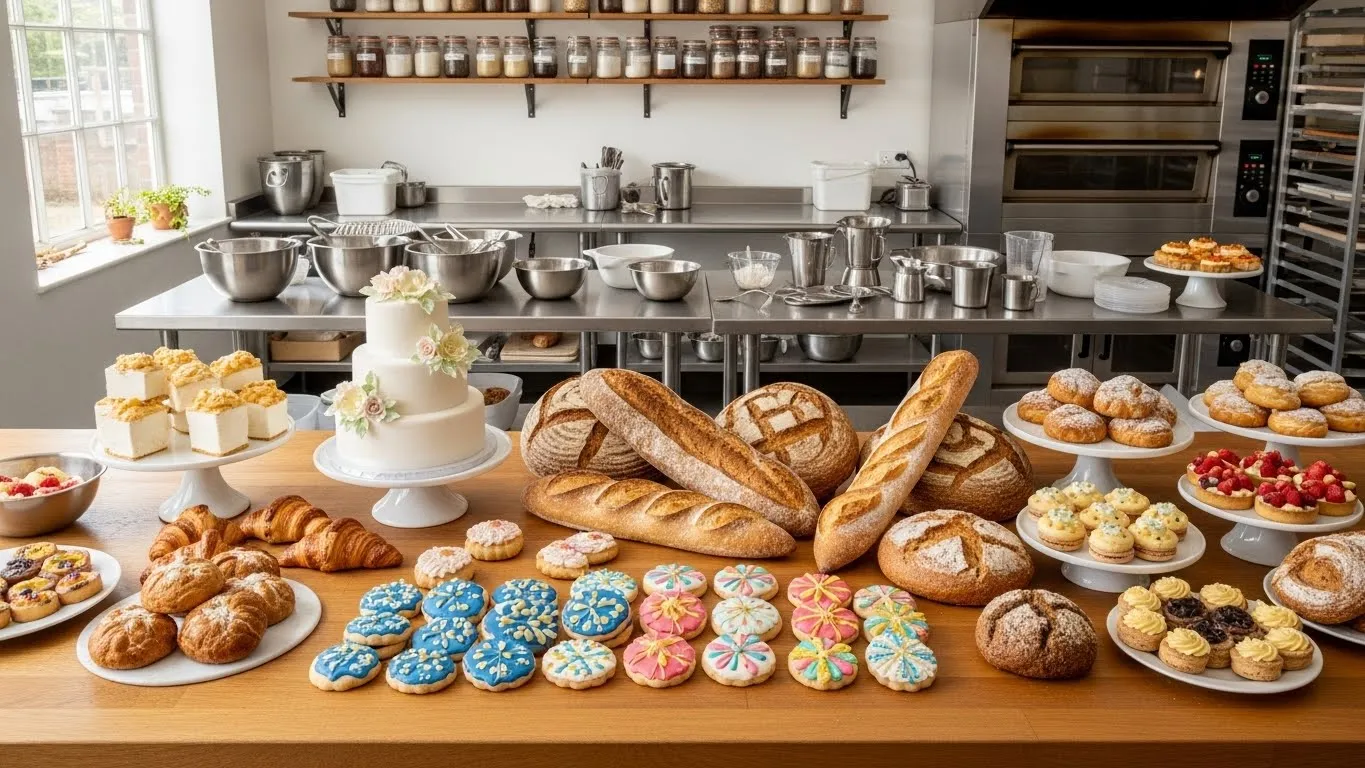
Baking is an art and a science, a delightful journey that transforms simple ingredients into delicious creations. Whether you're a novice or looking to refine your craft, mastering essential baking skills is the key to consistently perfect cakes, cookies, and breads. This comprehensive guide will equip you with foundational techniques, expert tips, and insights to elevate your baking, ensuring every batch is a triumph. From understanding ingredient roles to troubleshooting common issues, we'll cover everything you need to bake with confidence and achieve professional-quality results right in your own kitchen. Prepare to unlock the secrets to truly exceptional homemade treats.
Key Points:
- Ingredient Precision: Accurate measurement is non-negotiable for consistent results.
- Temperature Control: Oven and ingredient temperatures significantly impact texture.
- Mixing Techniques: Proper mixing develops structure and prevents overworking.
- Troubleshooting Common Issues: Learn to identify and fix baking mishaps.
- Healthy Adaptations: Discover ways to make your favorite recipes more nutritious.
Mastering Essential Baking Skills for Flawless Results
Achieving consistently perfect cakes, cookies, and breads requires more than just following a recipe; it demands an understanding of the underlying principles and essential baking skills. This section delves into the core techniques that form the backbone of successful baking, ensuring your creations are always a delight. We'll explore the critical role of ingredients, the importance of precise measurements, and the impact of proper mixing.
The Foundation of Flavor: Understanding Your Ingredients
Every ingredient plays a vital role in the final texture, flavor, and appearance of your baked goods. Understanding these roles is a crucial step in mastering essential baking skills. Flour provides structure, sugar adds sweetness and tenderness, fats contribute moisture and richness, and leavening agents create rise.
- Flour Types: Different flours have varying protein contents, impacting gluten development. All-purpose flour is versatile, while bread flour offers higher protein for chewier breads, and cake flour's lower protein yields tender cakes.
- Leavening Agents: Baking soda reacts with acids to produce carbon dioxide, while baking powder contains both acid and base for a double-acting lift. Yeast, a living organism, ferments sugars to create gas, crucial for bread's airy texture.
- Fats and Sweeteners: Butter, oil, and shortening each impart distinct flavors and textures. Granulated sugar, brown sugar, and honey offer different levels of sweetness and moisture.
Precision is Paramount: Accurate Measurement Techniques
Baking is often compared to chemistry, where precise ratios are critical. Inaccurate measurements are a leading cause of baking failures. Mastering this essential baking skill ensures consistency.
- Weight vs. Volume: Whenever possible, measure dry ingredients by weight using a kitchen scale. This is far more accurate than volume measurements, as a cup of flour can vary significantly depending on how it's scooped.
- Liquid Measurements: Use clear liquid measuring cups at eye level for accuracy.
- Dry Ingredients: Spoon flour into a measuring cup and level it off with a straight edge. Do not pack it down unless specified (like for brown sugar).
The Art of Mixing: Developing Texture and Structure
Proper mixing techniques are fundamental to developing the desired texture in your baked goods. Overmixing can lead to tough cakes and cookies, while undermixing can result in uneven textures.
- Creaming Method: For cakes and cookies, creaming butter and sugar together incorporates air, creating a light and tender crumb. This is a cornerstone of many sweet recipes.
- Folding: Gently incorporating delicate ingredients like whipped egg whites or fruit preserves airiness without deflating the mixture.
- Kneading: For breads, kneading develops gluten, forming the elastic network that gives bread its structure and chewiness. According to a 2023 study by the Culinary Science Institute, optimal gluten development through proper kneading can increase bread volume by up to 15%.
Perfecting Cakes: Tips for a Moist and Tender Crumb
Cakes are often the centerpiece of celebrations, and achieving a moist, tender crumb is a hallmark of essential baking skills. Here's how to ensure your cakes are always light and delicious.
The Secret to a Light and Fluffy Cake
Beyond accurate measurements, several factors contribute to a perfectly textured cake.
- Room Temperature Ingredients: Ensure butter, eggs, and milk are at room temperature. This allows them to emulsify properly, creating a smooth batter that traps air effectively.
- Don't Overmix: Once flour is added, mix only until just combined. Overmixing develops gluten, leading to a tough cake.
- Proper Pan Preparation: Grease and flour your pans thoroughly, or line them with parchment paper, to prevent sticking and ensure easy release.
Troubleshooting Common Cake Problems
Even experienced bakers encounter issues. Knowing how to troubleshoot is an essential baking skill.
- Sinking Cakes: Often caused by opening the oven door too early, too much leavening, or underbaking. Ensure the cake is fully baked and cooled gradually.
- Dry Cakes: Usually a result of overbaking or insufficient fat/liquid. Use an oven thermometer to verify temperature and stick to recommended baking times.
- Cracked Tops: Can be due to too high oven temperature, causing the outside to set before the inside rises fully. Lowering the temperature slightly can help.
Crafting Irresistible Cookies: Chewy, Crispy, or Soft
Cookies offer a vast spectrum of textures, and mastering the techniques for each is a delightful aspect of essential baking skills. Whether you prefer chewy, crispy, or soft, the right approach makes all the difference.
Achieving Your Desired Cookie Texture
The ratio of ingredients and baking temperature are key.
- Chewy Cookies: Use a higher ratio of brown sugar to white sugar, and often melted butter. Baking at a slightly lower temperature for longer can also contribute.
- Crispy Cookies: A higher ratio of white sugar and butter, often with less moisture. Baking at a slightly higher temperature for a shorter time helps achieve crispness.
- Soft Cookies: More fat, less sugar, and often the addition of cornstarch can create a wonderfully soft texture. Don't overbake!
Preventing Common Cookie Catastrophes
- Spreading Too Much: Can be caused by warm butter, too much leavening, or insufficient flour. Chill your dough before baking to firm up the fat.
- Hard Cookies: Overbaking is the primary culprit. Remove cookies from the oven when edges are set but centers still look slightly soft. They will continue to bake on the hot sheet.
- Uneven Baking: Ensure your oven rack is in the middle position and rotate your baking sheets halfway through baking.
The Art of Bread Making: From Dough to Delicious Loaf
Baking bread is one of the most rewarding essential baking skills, transforming simple flour and water into a fragrant, satisfying loaf. The process involves understanding yeast, gluten development, and proofing.
Secrets to a Perfect Rise and Crust
- Active Yeast: Ensure your yeast is fresh and active. Proofing it in warm water with a pinch of sugar confirms its vitality.
- Proper Kneading: Develop the gluten sufficiently to create a strong, elastic dough that can trap gases produced by the yeast. A well-kneaded dough will pass the "windowpane test."
- Proofing Environment: A warm, draft-free environment is ideal for yeast activity. Don't rush the proofing process; it's crucial for flavor and texture. Insights from the 'Global Baking Trends Report 2023' emphasize the growing consumer demand for artisan breads, highlighting the importance of traditional, slow proofing methods for superior flavor development.
Troubleshooting Bread Baking Challenges
- Dense Bread: Often due to inactive yeast, insufficient kneading, or under-proofing. Ensure your yeast is active and give the dough ample time to rise.
- Crumbly Bread: Can be caused by too much flour or insufficient moisture. Hydration is key for a tender crumb.
- No Crust Development: Ensure your oven is hot enough and consider using steam during the initial baking phase to create a crisp crust. A Dutch oven is excellent for this.
Differentiated Insights: Healthy Baking Alternatives and Modern Trends
As part of developing essential baking skills, adapting recipes for healthier outcomes and incorporating modern trends offers unique value. Many home bakers are seeking ways to enjoy their favorite treats with a nutritious twist.
Smart Substitutions for Healthier Baking
- Sugar Reduction: Gradually reduce sugar by 10-20% in recipes; often, the sweetness isn't missed. You can also substitute with natural sweeteners like applesauce or mashed bananas (adjusting liquid content).
- Whole Grains: Swap a portion of all-purpose flour for whole wheat flour in breads and some cookies to boost fiber. For cakes, start with a 25% substitution to maintain tenderness.
- Healthy Fats: Replace some butter with healthier alternatives like avocado oil or unsweetened applesauce in certain recipes, especially muffins and quick breads.
Embracing Gluten-Free and Vegan Baking
The rise of dietary preferences means essential baking skills now include adapting to gluten-free and vegan requirements. This often involves understanding how different flours and binders behave.
- Gluten-Free Flours: A blend of gluten-free flours (rice, almond, oat) often works better than a single type. Xanthan gum is frequently added to mimic gluten's elasticity.
- Vegan Binders: Eggs can be replaced with flax eggs (ground flaxseed mixed with water), mashed banana, or applesauce. Dairy milk can be swapped for plant-based alternatives like almond or soy milk. A 2024 study on plant-based food innovations highlighted that consumer acceptance of vegan baked goods significantly increases with improved texture and mouthfeel, often achieved through specific binder combinations.