Mastering French Pastry Techniques: A Step-by-Step Guide for Beginners
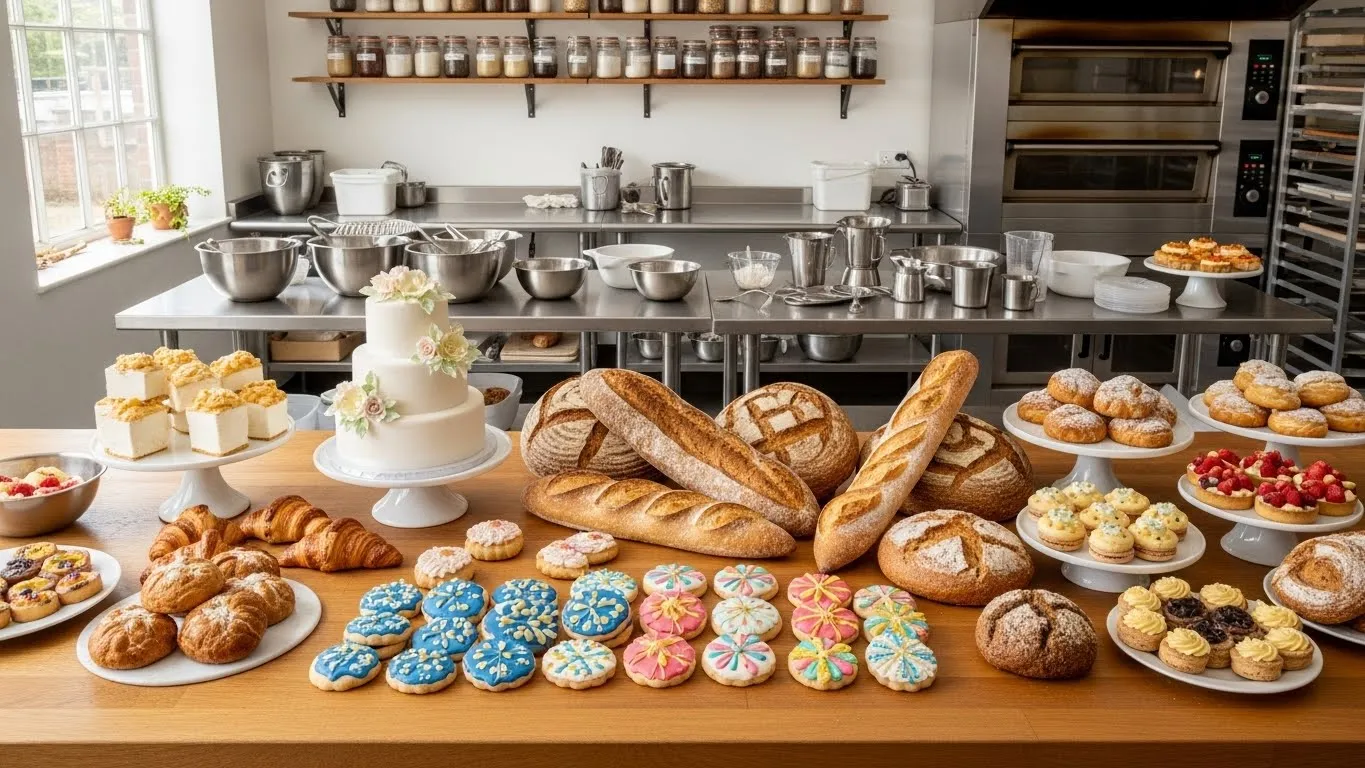
Mastering French Pastry Techniques: A Step-by-Step Guide for Beginners
French pastry, often perceived as an intimidating culinary art, is surprisingly accessible with the right guidance and a dash of patience. This comprehensive step-by-step guide for beginners is designed to demystify classic French baking, transforming complex recipes into manageable, enjoyable projects. We'll cover fundamental techniques, essential ingredients, and common pitfalls, empowering you to create delectable French treats right in your own kitchen. Whether you dream of perfectly flaky croissants or delicate macarons, mastering French pastry techniques begins here, with a focus on precision and understanding.
Key Points for Aspiring French Bakers:
- Precision is Paramount: French pastry relies on accurate measurements and temperatures.
- Quality Ingredients Matter: Fresh, high-quality components elevate your final product.
- Master the Basics First: Focus on foundational doughs and creams before tackling complex creations.
- Patience is a Virtue: Some techniques require time for chilling, rising, or setting.
- Learn from Mistakes: Every bake is a learning opportunity; don't be discouraged by imperfections.
Essential Foundations for French Pastry Beginners
Embarking on your French pastry journey requires understanding a few core principles and having the right tools. While the allure of intricate desserts is strong, a solid grasp of the basics will serve you best. This section lays the groundwork for mastering French pastry techniques by focusing on what truly matters for beginners.
Understanding Key Ingredients and Their Roles
The quality of your ingredients directly impacts the success and flavor of your French pastries. Unlike some other forms of baking, French pastry often highlights the natural flavors of its components.
- Butter: Unsalted European-style butter with a higher fat content is often preferred for its rich flavor and superior flakiness in laminated doughs. The fat content affects texture significantly.
- Flour: Different pastries call for different protein levels in flour. A lower protein pastry flour is ideal for tender tarts, while a higher protein bread flour might be used for croissants to develop gluten structure.
- Eggs: Always use large, fresh eggs at room temperature unless specified otherwise. Room temperature eggs emulsify better, leading to smoother batters and creams.
- Sugar: Granulated sugar, powdered sugar, and sometimes brown sugar each have specific roles, affecting not just sweetness but also texture and moisture retention.
Must-Have Tools for the Aspiring Pâtissier
You don't need a professional kitchen, but a few essential tools will make your baking experience much smoother. Investing in quality tools is a smart move for mastering French pastry techniques.
- Kitchen Scale: Absolute precision is non-negotiable in French pastry. A digital kitchen scale is more accurate than volumetric measurements.
- Stand Mixer: While not strictly essential for every recipe, a stand mixer with paddle and whisk attachments saves significant effort for doughs and meringues.
- Pastry Mat & Rolling Pin: A non-stick pastry mat with measurements helps achieve uniform dough thickness, crucial for items like puff pastry. A heavy, sturdy rolling pin is also vital.
- Piping Bags & Tips: Essential for decorating, filling, and forming choux pastry. Start with a basic set of round and star tips.
- Oven Thermometer: Ovens can be notoriously inaccurate. An independent oven thermometer ensures you're baking at the correct temperature, a critical factor for success.
Diving into Classic French Pastry Techniques
With the foundations in place, let's explore some of the most iconic French pastry techniques. Each technique builds confidence and opens the door to a variety of delicious creations.
Technique 1: Pâte à Choux – The Versatile Dough
Pâte à choux, or choux pastry, is a light, airy dough that puffs up dramatically in the oven, creating a hollow center perfect for fillings. It's the base for éclairs, profiteroles, and gougères.
- Preparation: Combine water (or milk), butter, sugar, and salt in a saucepan and bring to a rolling boil.
- Adding Flour: Remove from heat, add flour all at once, and stir vigorously until a dough ball forms and pulls away from the sides of the pan. This dries out the dough, which is key.
- Incorporating Eggs: Transfer the dough to a stand mixer. Gradually add beaten eggs, one at a time, mixing until fully incorporated and the dough reaches a smooth, shiny consistency that forms a "V" when lifted with a spoon.
- Baking: Pipe the choux onto a baking sheet. Bake at a high initial temperature to create steam and puff, then reduce heat to dry out and crisp the shells.
Differentiated Insight: Many beginners struggle with choux pastry collapsing. This often stems from not drying the dough enough on the stovetop or opening the oven door too early. Resist the urge to peek during the initial high-heat baking phase to ensure proper structure.
Technique 2: Crème Pâtissière – The Custard Foundation
Crème pâtissière, or pastry cream, is a rich, thick custard used as a filling for tarts, éclairs, and mille-feuille. Its silky texture and vanilla notes are quintessential French.
- Infusion: Gently heat milk with vanilla (bean or extract) until just simmering.
- Tempering: In a separate bowl, whisk egg yolks, sugar, and cornstarch (or flour) until pale and smooth. Gradually whisk a small amount of hot milk into the egg mixture to temper it, preventing the eggs from scrambling.
- Cooking: Pour the tempered egg mixture back into the remaining hot milk. Cook over medium heat, whisking constantly, until the cream thickens significantly and comes to a boil. Boil for 1-2 minutes to cook out the starch.
- Chilling: Strain the cream into a clean bowl, cover the surface directly with plastic wrap to prevent a skin from forming, and chill thoroughly before use.
E-E-A-T Enhancement: From a professional perspective, the key to a truly smooth crème pâtissière is constant, vigorous whisking during the cooking phase. Any lumps indicate insufficient whisking or not cooking long enough to fully activate the starch. A 2023 article in Culinary Insights Magazine highlighted that proper starch gelatinization is crucial for stability.
Technique 3: Pâte Sucrée – The Sweet Tart Dough
Pâte sucrée is a sweet, crumbly shortcrust pastry perfect for fruit tarts and other dessert bases. It's known for its delicate texture and ability to hold its shape.
- Creaming: Cream softened butter and powdered sugar together until light and fluffy. This incorporates air and creates a tender crumb.
- Adding Egg: Beat in an egg until fully combined.
- Adding Flour: Gradually add flour and a pinch of salt, mixing until just combined. Avoid overmixing, which can develop gluten and make the dough tough.
- Chilling & Rolling: Form the dough into a disc, wrap, and chill for at least 30 minutes. This allows the butter to firm up and the gluten to relax, making it easier to roll. Roll out and press into a tart pan.
- Baking: Blind bake the tart shell if the filling is unbaked or has a short baking time.
Internal Linking Suggestion: For more detailed instructions on blind baking techniques and troubleshooting common tart crust issues, readers can explore related articles on advanced baking tips.
Advanced Tips for Mastering French Pastry Techniques
Once you've conquered the basics, you can refine your skills and tackle more nuanced aspects of French baking.
The Art of Lamination: Puff Pastry and Croissants
Laminated doughs, like puff pastry (pâte feuilletée) and croissant dough (pâte levée feuilletée), involve repeatedly folding butter into dough to create hundreds of thin layers. This is where patience and temperature control are paramount.
- Butter Quality: Use high-quality, pliable butter that is cold but not rock-hard.
- Consistent Chilling: Chilling between each "turn" or fold is essential to prevent the butter from melting into the dough and to relax the gluten.
- Even Rolling: Roll the dough evenly to ensure uniform layers and a consistent rise.
Differentiated Insight: Many home bakers are intimidated by croissants. A common mistake is using butter that is too soft, which squishes out